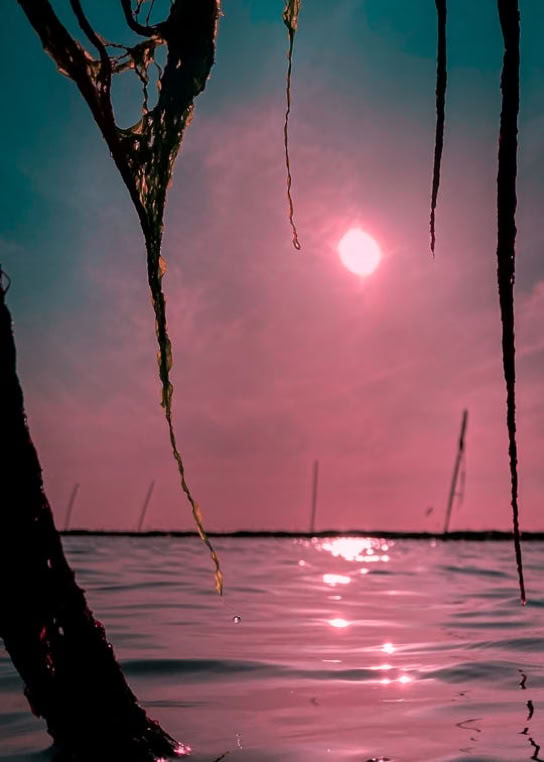
The island has become a key figure of the Anthropocene – an epoch in which human entanglements with nature come to the fore. For a long time islands were romanticised or marginalised, seen as lacking modernity’s capacities for progress, vulnerable to the effects of catastrophic climate change and the afterlives of empire and coloniality.
Today, however, the island is increasingly central to both policy-oriented and critical imaginaries that seek to more positively draw upon the island’s liminal and disruptive capacities, especially the relational entanglements and sensitivities its peoples and modes of life are said to exhibit.